In our last post, we explored how psychological safety—the comfort of clinicians to speak up, flag concerns, and engage openly without the fear of repercussions—can have an impact on patient safety outcomes. Creating a culture of psychological safety requires looking at multiple factors, including addressing one of the most direct and underrecognized threats: workplace violence.
The Consequences of Normalizing Workplace Violence
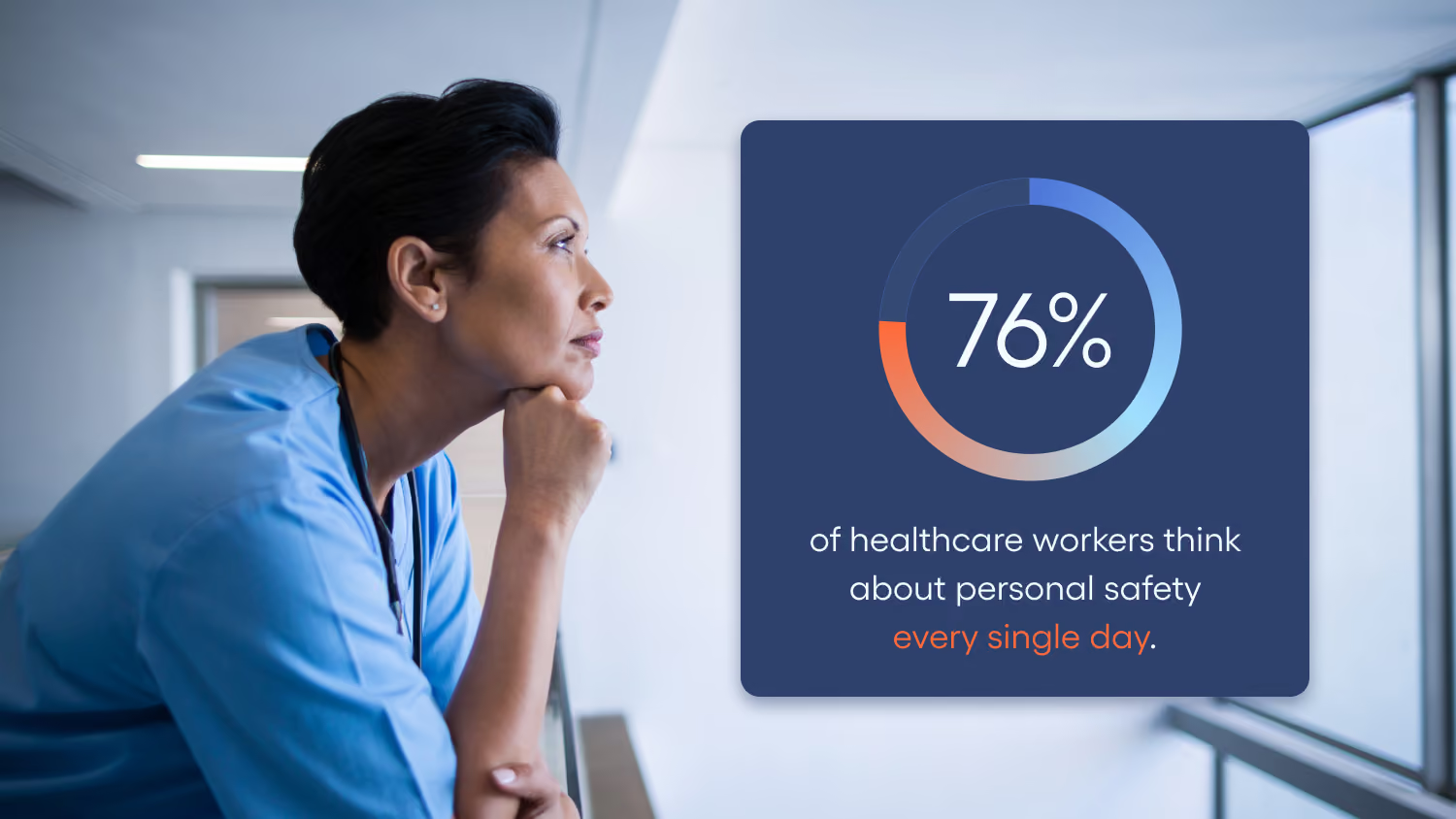
The prevalence of workplace violence in healthcare is striking. According to Canopy's most recent healthcare safety report, 85% of healthcare workers have experienced a workplace violence incident during their careers, 76% think about personal safety every single day, and 20% have been in incidents that escalated to violence.
This data doesn’t even capture the cultural impact that ripples out from these incidents. Over time, violence becomes normalized, and with that normalization comes an acceptance that aggression is simply part of the job. When harm keeps happening, staff draw a logical conclusion that speaking up has led nowhere. And when clinicians stop speaking up about their own safety, it raises a harder question about what else they feel they cannot say. That learned silence is not just a reporting problem. It’s a psychological safety problem.
That erosion of trust has real consequences. A single violent incident can disrupt workflows, divert staff attention, delay patient care, and alter the emotional climate of an entire unit. Staff responding to violence may experience cognitive overload, interruptions in clinical tasks, and reduced situational awareness, increasing the likelihood of missed changes in patient condition or preventable errors. Over time, repeated exposure contributes to fatigue, emotional distress, and reduced engagement at the bedside.
Prevention that Protects Everyone
To fully address the issue, workplace violence must be understood not as an isolated behavioral incident, but as a system-wide patient safety and workforce stability issue. When violence enters a unit, safety leaves the room for everyone. And when safety leaves, trust, quality, engagement, and outcomes begin to deteriorate as well.
Healthcare organizations that recognize the far-reaching impact of workplace violence are better positioned to create environments where caregivers feel protected, patients feel secure, and high-quality care can consistently thrive.
Rebuilding psychological safety requires giving staff a genuine reason to speak up. A visible investment in physical safety and making it easy to report incidents can help open the door to broader cultural change. Once reporting is made easy, systems should be implemented where concerns are met with support, incidents are promptly addressed, and staff can see that their voices lead to real change. It also means taking proactive steps to address violence before it starts, so staff feel safe in all areas of providing care.
Psychological safety and physical safety are not separate strategies. They are two sides of the same commitment to the people who make care possible.